
By Chris Doyle
International Mission Board
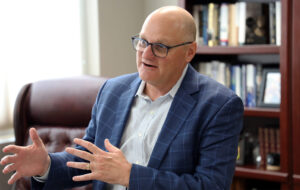
Tutoring centers are ubiquitous in South Asia, according to Crawford Kaiser, International Mission Board missionary. Kaiser and his team of national partners are taking advantage of these teaching opportunities for the sake of the Gospel.
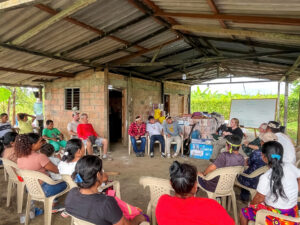
They offer a low-cost learning hub for Muslim families in a low-income apartment block. Though it may appear to be locals tutoring, the center he oversees also functions as a discreet doorway to the Gospel. This is done when national partners visit parents to offer progress reports of their children, and from there, friendship and trust develop.
Sam and Rita visited Abbas and Aisha to share the status of their children’s work at the tutoring center. Abbas and Aisha have six children, and there was much commotion during Sam and Rita’s initial visit. The tutoring couple did not think they made much of an impression, but this was the beginning of a fruitful relationship.

One night, Aisha called Sam and Rita, trembling and pleading for help. “Abbas has been yelling at me for hours,” she whispered.
Within minutes, Sam and Rita were on a motorcycle, racing through narrow lanes. “We were scared,” Sam recalled, “not knowing if we’d be welcomed or turned away.”
When they arrived, the entire apartment building seemed to hold its breath. Abbas’ temper was well known among the neighbors. Sam and Rita’s presence and calm, patient voices defused the anger.
By the next day, Sam and Rita returned to the apartment complex — not as strangers, but as friends, invited in for tea and conversation.
From that experience, a relationship unfurled that led to regularly sharing the Scriptures. Abbas, a plumber by trade, had long leaned on a crew that encouraged nightly drinking. He also wanted to be a devoted husband and dedicated father, but the pull of his “work crew” and the pressure of his own insecurities kept him trapped.
Sam and Rita — both Christians of Hindu background — became unexpected mentors. Their frequent home visits resulted in weekly Bible studies.
“We have a set of audio stories that go from creation to the return of Christ,” Kaiser explained, describing the curriculum they use. Each episode ends with two questions: “What can we thank God for?” and “How does this cause us to love and worship God more?” The stories were deliberately simple, yet they opened a space for children to ask, “Who is Jesus?” and for the adults to wrestle with the unsettling notion that salvation was not a set of rituals but a personal relationship with a living Savior.
Sam and Rita have continued the Bible study with Abbas and Aisha for a few months. Abbas went a long period without drinking, and Aisha’s mother has inquired about attending the Bible study as she has seen a change in Abbas.
Kaiser is grateful for the work God is doing through the tutoring center. He is hopeful local churches would join in sharing the Gospel with the lost.
“The biggest struggle here is apathy in the church toward evangelism,” he confessed. “We’re surrounded by people who think it’s easier to give food than to share the Gospel.”
Yet the tutoring center is proving that sustained, relational outreach bears fruit, even if it takes years. “I’m thrilled to have partners who count the cost and stay for the long haul,” Kaiser said, grateful for the friendships that began before the center even existed.
Looking ahead, Kaiser prays that Abbas, Aisha and many of their family members will embrace the Gospel and make professions of faith in Christ. And he hopes the tutoring center will reach many more families.
“I want this place to be more than education,” Kaiser said. “I want it to be a conduit for the Gospel.”
Names have been changed for security.