As the 2026 FIFA World Cup roars to a close and Spain is left holding the trophy, Southern Baptist churches and missionaries around the world are praying for an impact that outlasts the hardware.
With North America hosting its first World Cup since 1994, churches, local associations, state conventions, as well as both the International Mission Board and the North American Mission Board worked to see tens of thousands of lives touched through both digital and in-person outreach opportunities.
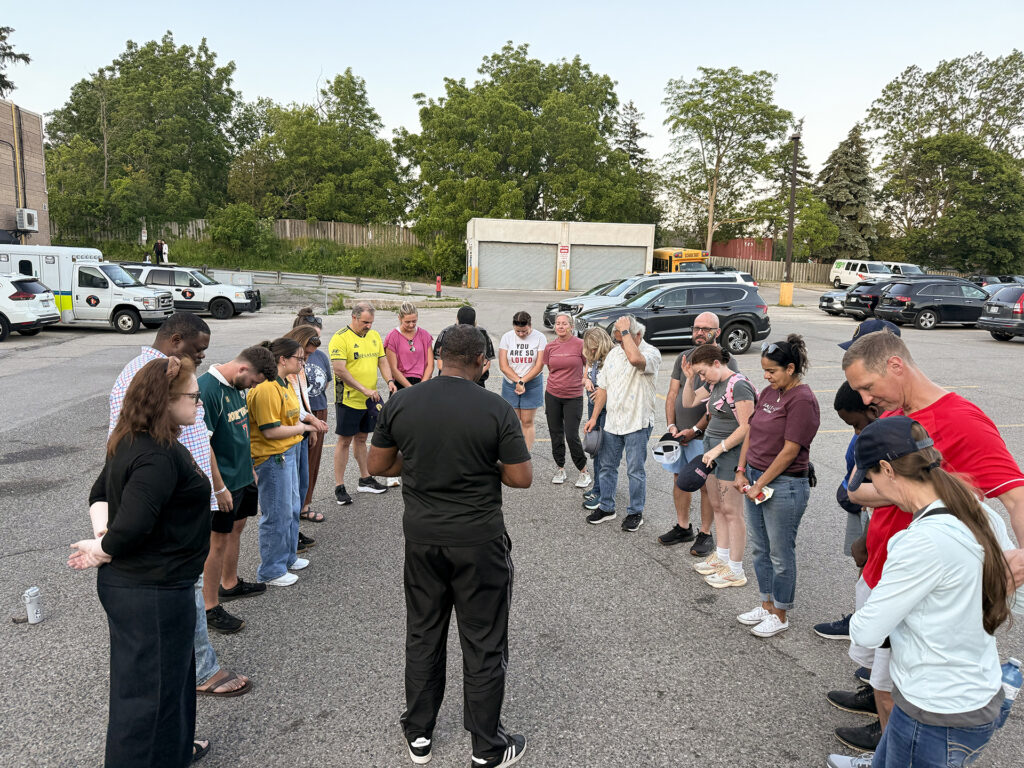
IMB partnered with NAMB to distribute resources and equip volunteers to share the gospel during the games. The strategy involved embedding Gospel-centered content into the fabric of the tournament.
Over the course of the competition, Southern Baptists rolled out 14 digital ads, distributed QR-coded bracelets, stickers and patches at fan zones, and hosted watch parties in churches, homes and other venues throughout North America and around the world.
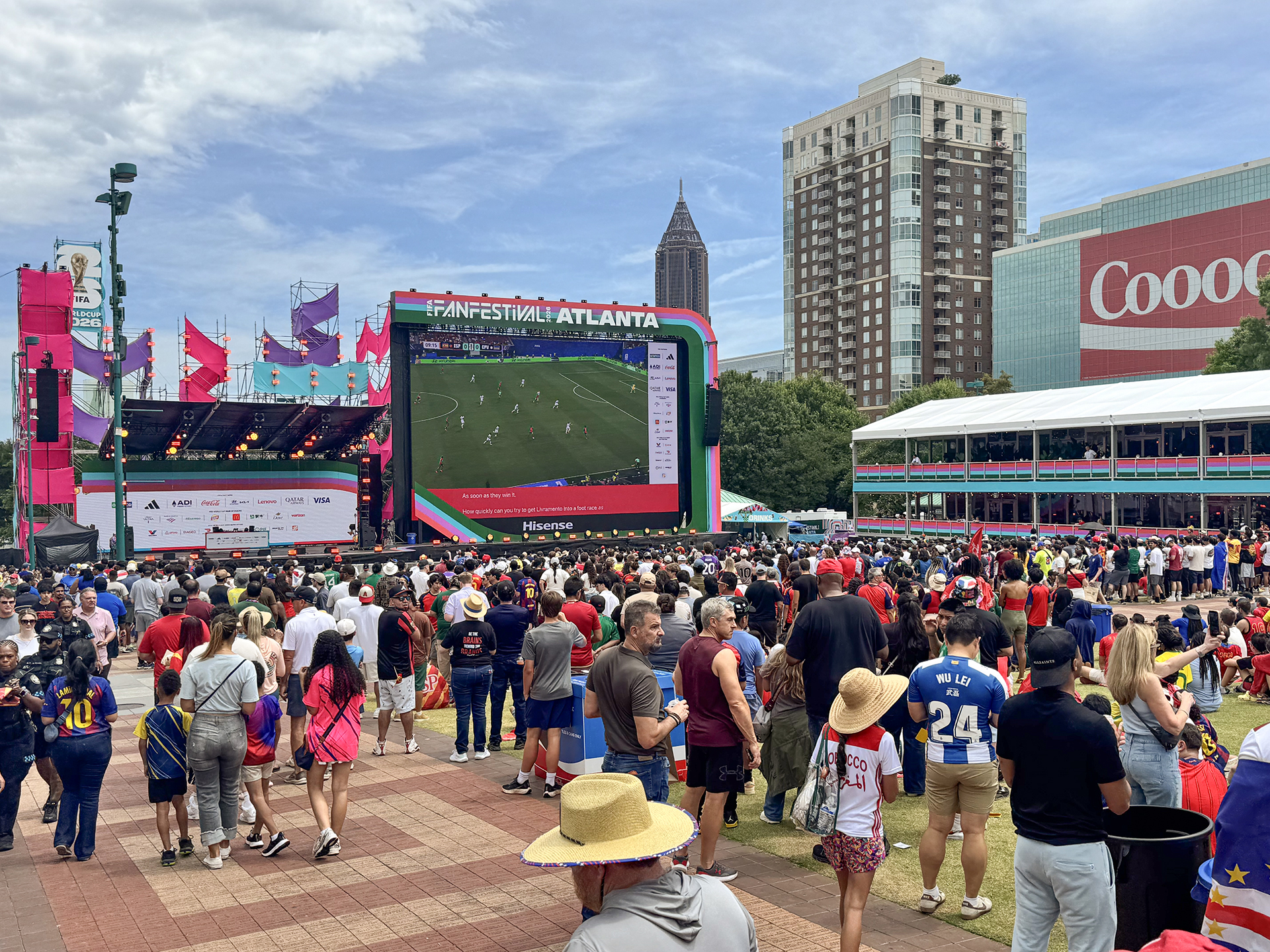
Cities throughout the United States, Canada and Mexico hosted matches and welcomed millions of visitors, giving local churches the opportunity to share the Gospel through street evangelism or by inviting neighbors over to watch the games.
IMB’s global digital engagement team reported a wave of Gospel-focused activity that spanned stadiums, living rooms, watch parties and social media feeds across five continents.
“We have so much to celebrate at moments like this — moments that have far more value than a golden trophy,” said Brant Bauman, IMB global digital engagement lead. “When we look at all the ways we can leverage a global event like the World Cup to reach people where they are, at the games or on their phones, God does some pretty incredible things!”
From the digital side of outreach efforts, the numbers tell a story of rapid, deep engagement, as Bauman reported the following:
- 20 digital responders active
- 1,014 QR code scans
- 172 Bible downloads
- 13,033 Gospel presentations watched to completion
- 2.3 million total ad impressions
- 5,724 individuals who engaged with an ad
- 1,296 messages sent to responders
- 28 prayer requests received
- 56 spiritual conversations sparked
- 23 Gospel conversations held
- 100 requests for biblical resources
- 2 in-person meet-up requests
- 8 professions of faith in Christ.
The outreach was more than numbers, though. It was about people like a South African fan watching a World Cup match in Atlanta who responded to a “Who Am I?” Facebook ad with a single word: “Brokenness.”
Instead of a generic reply, a trained digital responder prayed with the seeker in real time and offered the Gospel message. The woman later responded that she put her faith in Christ.
Simultaneously, volunteers distributed bracelets, stickers and patches with QR codes to fans gathering in Atlanta’s game zones. A handful of those who scanned the code engaged with digital responders, receiving prayer, biblical resources, and, in one case, an invitation to a local church.
The ripple effect continued far from the stadium lights. In a suburb north of Atlanta, a church hosted a watch party for Mexico’s victory. During halftime, the pastor distributed “Who Am I?” bracelets to the assembled crowd. One firsttime attendee, prompted by the bracelet’s QR code, clicked through the Gospel presentation and placed her trust in Jesus that evening.
“The Lord is at work in and through His people all around the world and calling many to Himself,” said Galen Garner, outreach pastor of Tabernacle Baptist Church in Cartersville, Georgia, who helped coordinate the World Cup outreach. “That is a prize far greater than any tournament victory.”
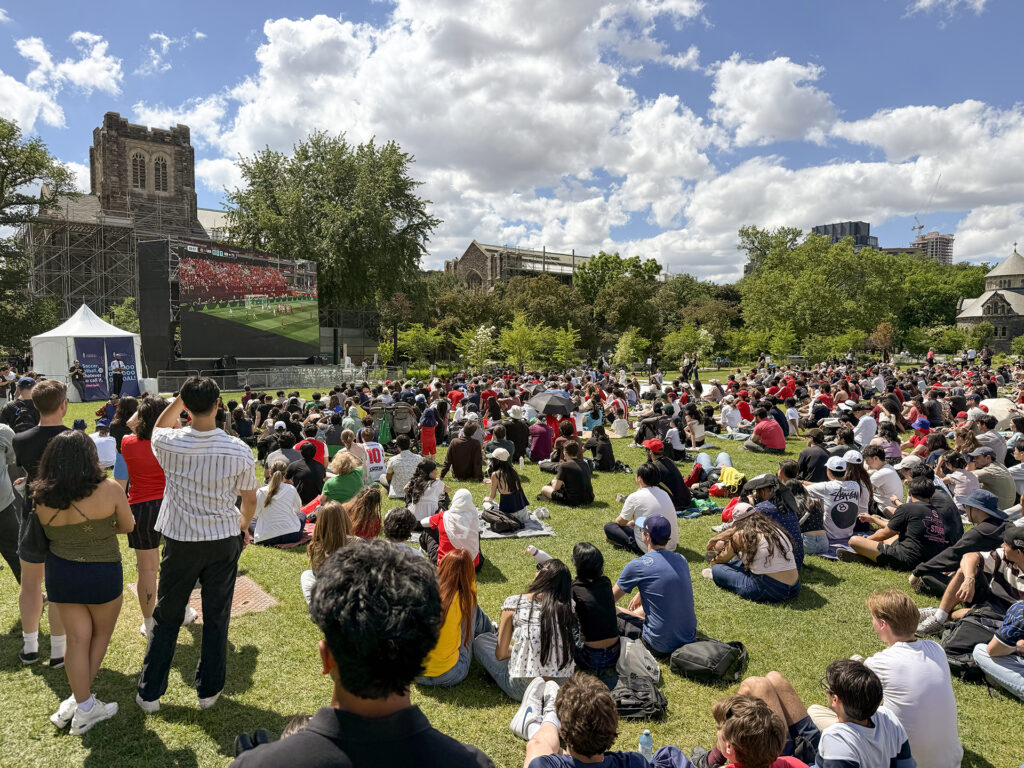
Baptist Convention of New England (BCNE) churches partnered with Send Network and Send Relief to host watch parties during the tournament.
Joe Souza, associate executive director for BCNE and the Boston area regional coordinator, described a local watch party as a great “example of partnership between BCNE and Send Relief/Send Boston” to help a local church with their outreach event.
Watch parties in Texas and Georgia generated Gospel witness. World Cup-inspired soccer camps fueled connections to local communities.
A nonprofit, launched by a local association in Missouri, that combats human trafficking sought to rescue those who might be exploited during the increased traffic in and around Kansas City, which hosted six matches during the World Cup.
Overall, Bauman’s assessment reflects a growing belief among evangelistic leaders that massive cultural events, whether the Olympics or the World Cup, provide unprecedented access to audiences who are glued to their devices. By weaving Gospel content into these moments, ministries can “get into the game” without competing for attention, instead using the event as a gateway for conversation.
With the final World Cup match in the books, IMB, NAMB and other Southern Baptist leaders will celebrate a different kind of victory — several new believers, dozens of spiritual conversations and thousands of curious eyes turned toward the gospel.
Both IMB and NAMB staffs contributed to this story.